Bengaluru Lakes

A Data Story

Read Story

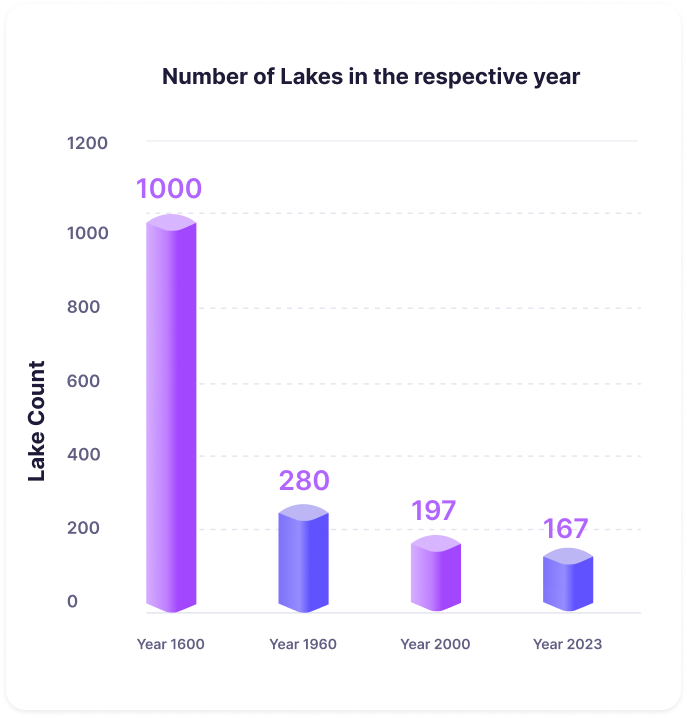
1. No : of lakes drastically reduced

Lake count drastically reduced

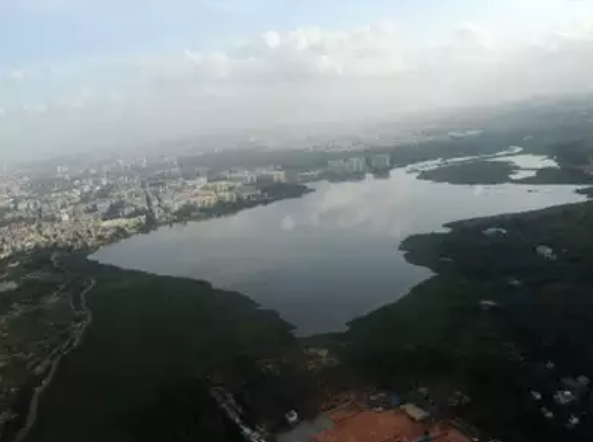
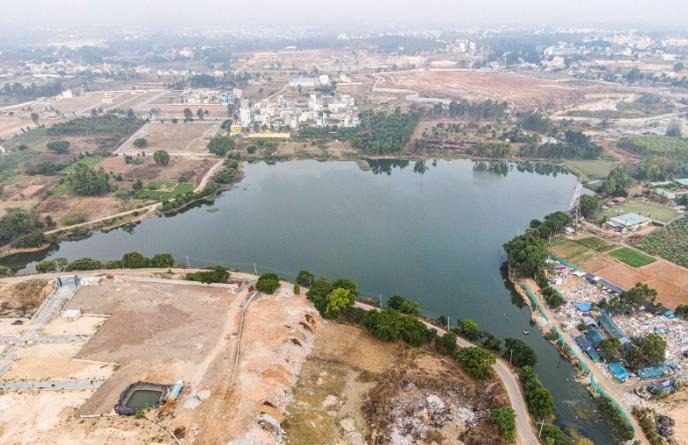
  • Bangalore once a "Land of a Thousand Lakes" has witnessed a substantial decline of 83% in 2023.
  • Lakes have been drastically reduced , primarily due to factors such as urbanization, encroachment, and pollution.

2. Current State of Lakes

Current State of Lakes

According to the KSPCB,
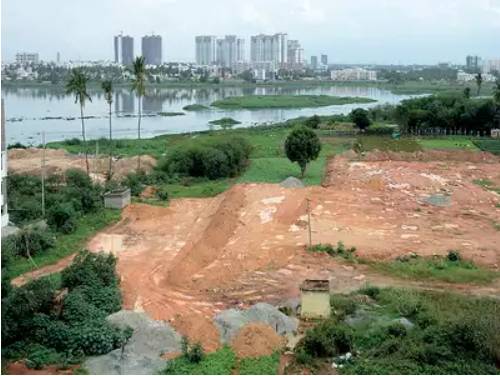
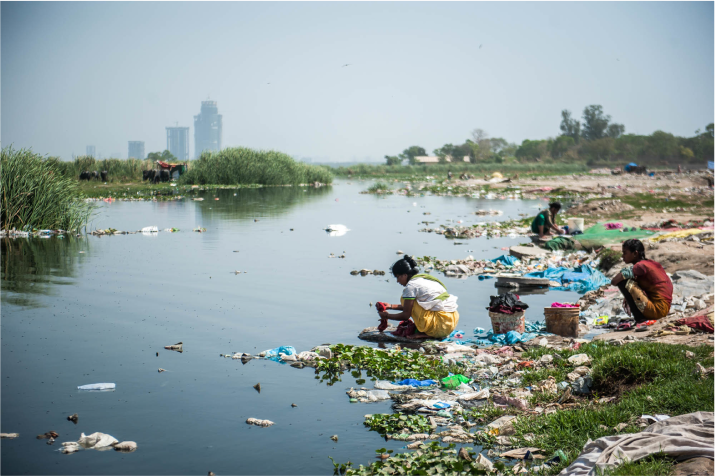
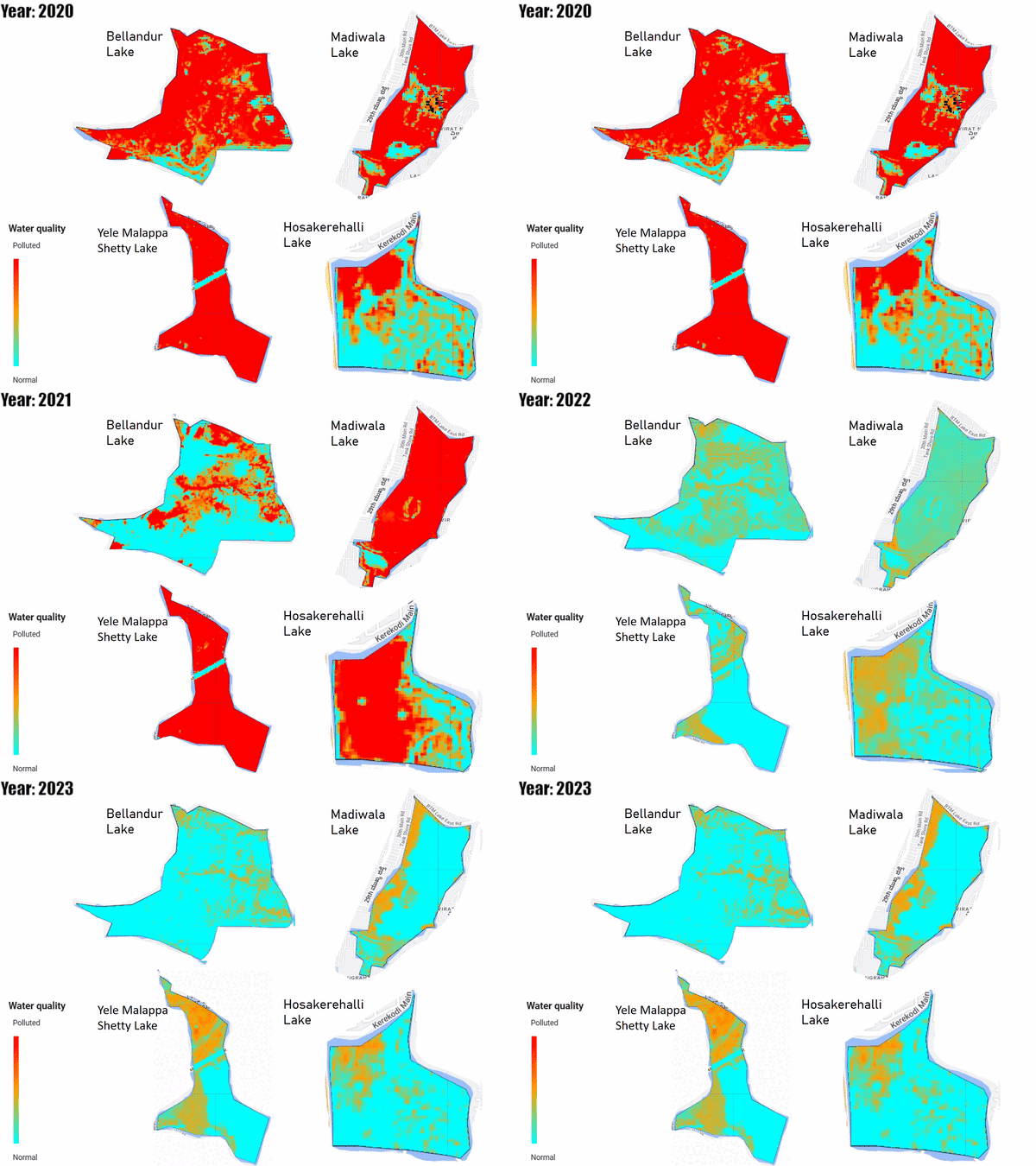
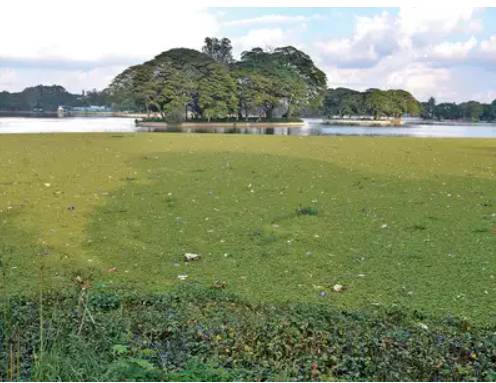
  • 78 out of the city's 106 lakes are not suitable for human usage and aquatic life.
  • 90% of the lakes were sewage-fed and are highly polluted.

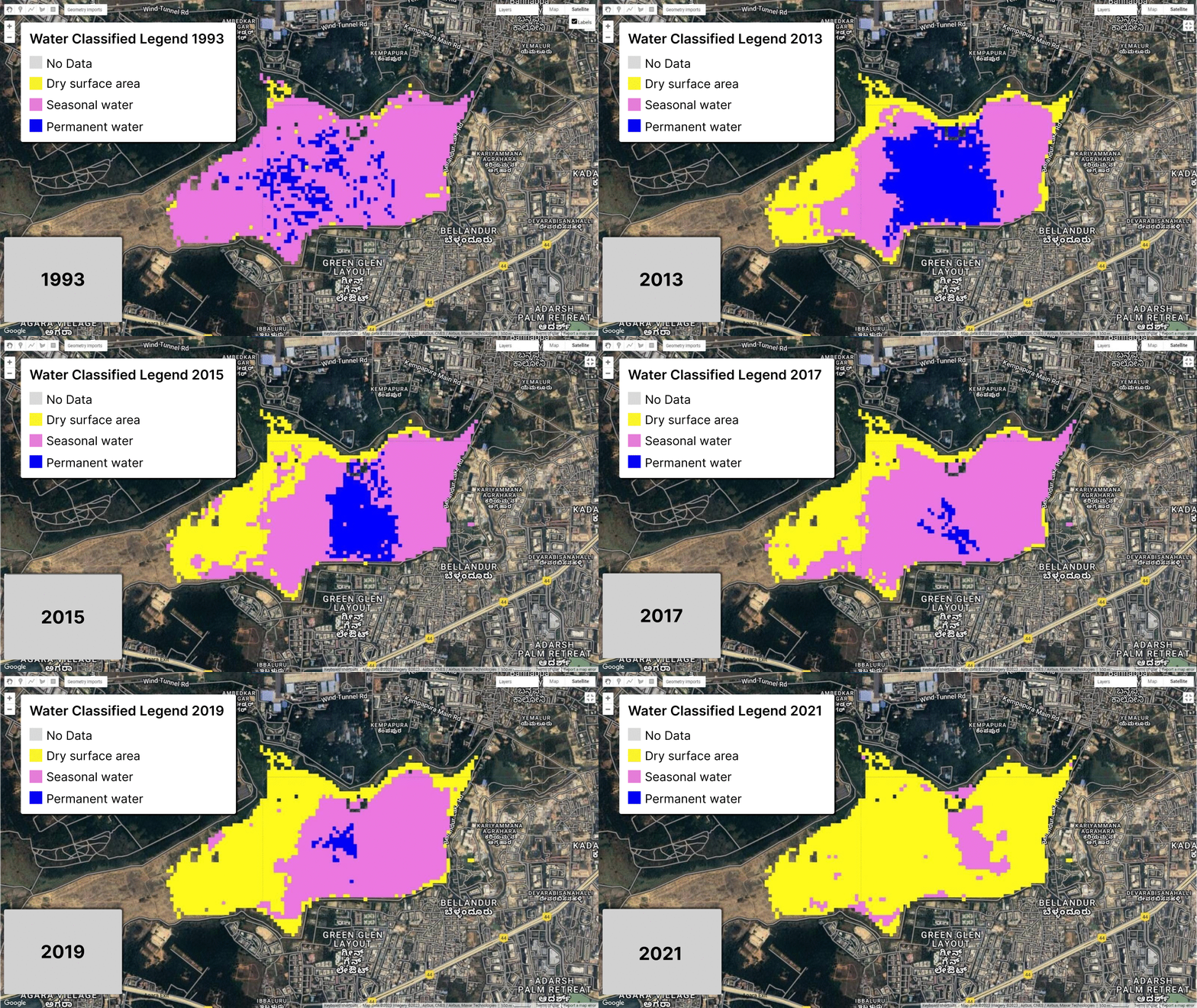
3. Water classification permanent, seasonal, not water

Classification of the seasonality of water throughout the year

  • Lake filled with permanent water (Blue) , seasonal water(Pink) , Not water (Yellow) using Landsat imagery

4. 'Chlorophyll-a' polluting the water

Chlorophyll-a Concentration in Lakes

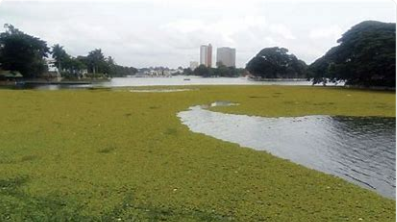
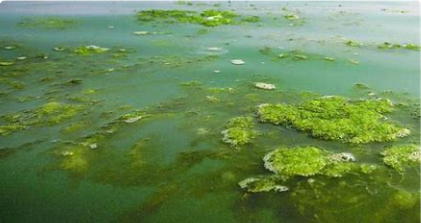
  • Chlorophyll in lakes comes mostly from floating algae. More the chlorophyll more the algae blooms indicating the lake is polluted.
  • Algae blooms may be dangerous for fish because when algae die, bacteria decompose them and use up oxygen in the water. When oxygen levels decrease, fish can suffocate and die.

5. Chlorophyll Percentage

Bellandur lake

  • Q1 (January 1 - March 31): Winter
  • Q2 (April 1 - June 30): Summer
  • Q3 (July 1 - September 30): Monsoon/Rainy Season
  • Q4 (October 1 - December 31): Autumn/Post-Monsoon Season

Chlorophyll-a concentrations are high after rainfall, particularly when the rain has flushed nutrients into the water.
6. 'Turbidity' polluting the lake water

Turbidity

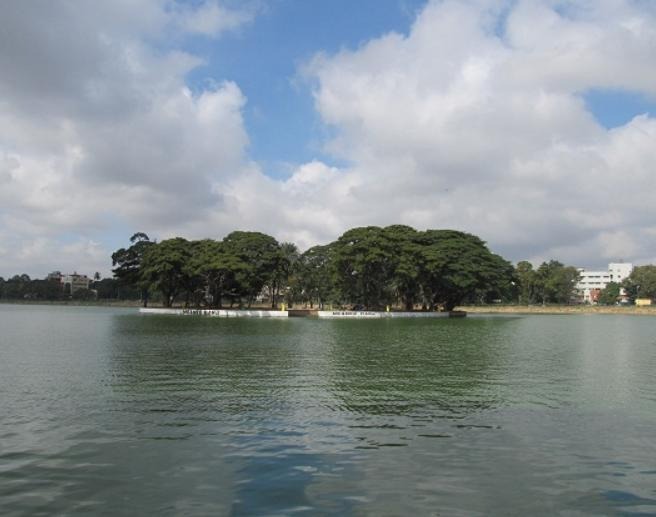
  • Turbidity is caused by solid particles being suspended in the water.
  • Higher the turbidity levels, the higher the likelihood of poor water quality.

7. Turbidity Percentage

Ulsoor lake

  • Growth of phytoplankton (self-feeding organisms) causes turbidity in water.
  • Phytoplankton are a part of water ecosystem, they grow more after rainfall and cause more turbidity in water.

8. Prediction

Change in Chlorophyll-a Changes Turbidity of water - Bellandur Lake

  • Analytics prove that there exists a Linear relationship between chlorophyll-a and turbidity.
  • Particularly, after rainfall many photosynthetic organisms grow , increasing the photosynthetic rate in water, which eventually causes high chlorophyll-a and turbidity.

9. Analytics

Mean Turbidity level of Top 3 contaminated lakes

  • In the recent year, Ulsoor lake has the highest turbidity levels.
  • The turbidity level is comparatively lower in Varthur lake during winter season of 2021.

10. Recommended steps

Recommended steps

  • Prevent encroachments and illegal activities around the lakes.
  • Treat sewage and industrial waste flowing into the lakes.
  • Manage the surrounding area to prevent soil erosion and pollution.
  • Remove solid waste and debris from the lakes.
  • Increase the water-holding capacity of the lakes by removing silt.